
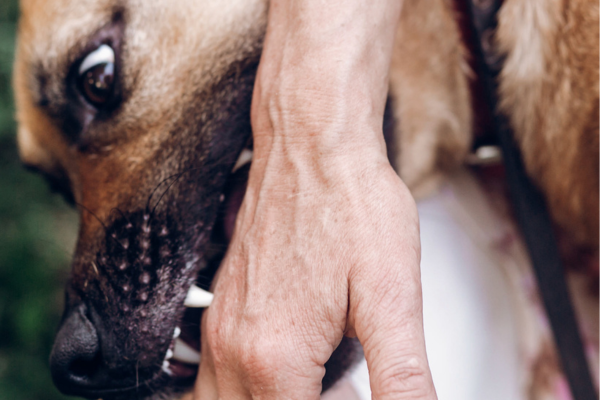
A friendly pat turns into a painful bite in an instant. Dog bites are a significant public health issue, with millions occurring each year, many of which require medical attention. Knowing the right steps for dog bite treatment can prevent serious complications and help you heal faster.
This guide provides comprehensive information on handling a dog bite, from the first moments after the incident to the final stages of recovery. Proper wound care is crucial to prevent infection and minimize scarring. Following these guidelines will support a safe and effective healing process. Partner Joshua M. Kimura has in-depth experience handling dog bite cases. Give our team a call if you or someone you know has been attacked. 949.474.0940
Table of Contents:
- Immediate Steps After a Dog Bite
- Assessing the Severity of the Bite
- Cleaning and Dressing the Wound
- When to Seek Medical Attention
- Preventing Infection in Dog Bites
- Pain Management for Dog Bites
- Long-Term Care and Healing
- Legal and Reporting Considerations
- Emotional Recovery After a Dog Bite
- Navigating Healthcare Systems for Your Bite
- Preventing Future Dog Bites
- Conclusion
Immediate Steps After a Dog Bite
The first few minutes after any animal bites are critical for minimizing harm and preventing infection. Your first priority is to create distance between yourself and the animal to prevent further injury. Once you are in a safe location, you can begin initial first aid.
Gently wash the wound with mild soap and warm running water for five to ten minutes. This simple step helps to rinse away bacteria from the dog's saliva. After cleaning, if the bite is bleeding, apply pressure with a clean cloth or sterile bandage until it stops.
Even if the injury seems minor, it is important to seek medical attention promptly. A healthcare professional can assess the depth of the bite wound and determine if further treatment, like stitches or antibiotics, is needed. Reporting the incident to animal control is also an important step for community safety.
Assessing the Severity of the Bite
Not all dog bites are the same, and their severity can range from a minor scratch to a deep puncture wound. Recognizing the signs of a serious injury helps you know when to seek emergency medicine. Deep puncture wounds are particularly concerning because they can drive bacteria far into the tissue, making them difficult to clean and increasing the risk infection.
Look for signs such as excessive bleeding that doesn't stop with pressure, visible bone or muscle, or a bite located on a sensitive area like the face, hands, feet, or joints. A deep bite that breaks the skin barrier requires professional evaluation. If the bite is bleeding severely, immediate medical care is necessary.
Any signs of infection, such as increasing redness, swelling, warmth, pus drainage, or red streaks spreading from the wound, indicate a need for urgent medical care. Bites from wild animals or farm animals may carry a higher risk of specific diseases. Even seemingly minor wounds from cat bites or human bites are known to have a high rate of infection.
| Characteristic | Minor Bite | Severe Bite (Seek Immediate Medical Care) |
|---|---|---|
|
Skin Break |
Superficial scratches, no deep break in the skin. |
A deep puncture or a large tear where the bite breaks the skin. |
|
Bleeding |
Stops easily with light pressure. |
Bleeding severely or does not stop after 15 minutes of pressure. |
|
Location |
Located on less critical areas like an arm or leg. |
Located on the face, neck, hands, feet, or over a joint. |
|
Appearance |
Mild redness or bruising around the area. |
Visible muscle, tendon, or bone; gaping wound edges. |
Cleaning and Dressing the Wound
Proper wound care is essential for preventing complications from dog bite wounds. After the initial wash, you should continue to care for the injury diligently. Rinse the area again under running water to ensure it is free of debris.
After patting the area dry with a clean towel, apply a thin layer of an antibiotic ointment. This can help prevent surface bacteria from causing an infection. An over-the-counter antibacterial ointment is generally sufficient for minor wounds.
Cover the wound with a sterile bandage or a clean dressing to keep it protected. Change the clean bandage at least once a day, or more often if it becomes wet or dirty. Proper dressing helps maintain a clean environment conducive to healing.
When to Seek Medical Attention
While home care can be appropriate for very minor scrapes, many situations warrant professional medical advice. You should seek prompt medical evaluation if the bleeding does not stop after applying pressure for 15 minutes. This could be a sign of a more serious injury that needs intervention.
Certain individuals are at a higher risk for complications, including those with diabetes or weakened immune systems, and should see a doctor for any animal bite. If the dog that bit you was a wild animal, a stray, or was behaving erratically, a rabies vaccination may be necessary. Your doctor will determine if you need a rabies shot as part of rabies prophylaxis.
You should also see a healthcare professional if you have not had a tetanus shot in the past five years. An attending physician in an emergency room can administer a tetanus shot and provide the appropriate medical care for your wounds. It is always a good idea to have a bite assessed to determine if stitches or other treatments are needed.
Preventing Infection in Dog Bites
Infection is one of the most common and serious complications of dog bites. A dog's mouth contains numerous bacteria that can lead to infectious diseases if they enter a wound. Research published on topics related to infect dis confirms that immediate and thorough cleaning is the most effective way to reduce this risk.
Watch for signs of infection, which include increased pain, swelling, warmth, pus draining from the bite wound, or a fever. Red streaks extending from the injury are a serious sign of a spreading infection that requires immediate medical help. According to established clinical practice, delaying treatment can lead to more severe health issues.
If your doctor prescribes antibiotics, be sure to take the full course as directed, even if the wound starts to look better. Stopping treatment early can allow the bacteria to multiply again. Proper patient care includes following all instructions from your healthcare provider to prevent animal bite complications.
Pain Management for Dog Bites
Dog bites can be quite painful, both immediately after the incident and during the healing process. Managing this pain is an important part of your recovery. Over-the-counter pain relievers, such as ibuprofen or acetaminophen, can be effective for mild to moderate pain.
Applying a cold pack wrapped in a towel to the injured area can help reduce swelling and numb the pain. Do this for 15-20 minutes at a time, several times a day. Elevating the injured limb above your heart level can also help minimize swelling and discomfort.
Avoid activities that put strain on the injured area, as this can increase pain and delay healing. If the pain is severe, unmanageable with home remedies, or gets worse over time, contact your doctor. They may be able to prescribe stronger medication or investigate for an underlying complication.
Long-Term Care and Healing
The healing journey for dog bite wounds doesn't end after the initial treatment. Consistent, long-term care is vital for a full recovery and minimizing the appearance of scars. Keep the wound clean and covered with a clean dressing as directed by your healthcare professional.
Attend all scheduled follow-up appointments so your doctor can monitor your progress and check for signs of infection. Some deep bite wounds may require physical therapy to restore full function, especially if a joint or tendon was damaged. Patient engagement in their own medical education about wound care can significantly improve outcomes.
Deeper wounds require more time to heal, so patience is key. Studies in health sciences and findings from clinical trials often inform the best practices for wound management. Following these evidence-based approaches gives you the best chance for a smooth recovery.
Legal and Reporting Considerations
After receiving medical care, there are important administrative steps to consider. Reporting the dog bite to your local animal control or police department is crucial. This creates an official record of the incident and allows authorities to investigate and prevent the animal from harming others. You will want to reach out to a law firm that
If possible, get the dog owner's name, contact information, and homeowner's insurance details. You should also ask for the dog's vaccination records to confirm it is up-to-date on its rabies vaccine. This information can be vital if medical bills accumulate.
Document everything related to the incident. Take clear photos of your injuries as they heal and keep detailed records of all medical treatments, doctor's visits, and related expenses. This documentation will be essential if you decide to file an insurance claim or pursue legal action like hiring a dog bite lawyer.
Emotional Recovery After a Dog Bite
The trauma from a dog bite is not just physical; the emotional and psychological impact can be long-lasting. It is common to experience fear, anxiety, or post-traumatic stress after being attacked by an animal. These feelings are a normal part of the healing process and should be addressed as part of your overall health care.
Talking about your experience with trusted friends, family members, or a mental health professional can be very helpful. Sharing your feelings can reduce feelings of isolation and help you process the trauma. Allow yourself the time and space you need to heal emotionally without judgment.
If you feel ready, gradual and controlled exposure to calm, friendly dogs can help rebuild your confidence. However, do not force yourself into situations that feel overwhelming. Joining a support group for survivors of animal bites can also provide a sense of community and shared understanding.
Navigating Healthcare Systems for Your Bite
Finding the right care after a dog bite can sometimes feel complicated. Many health systems offer online portals where you can request appointment times with a provider. When using these systems, you might find a field is a required error if left empty, so be sure to fill out all necessary information.
When you seek medical care online or in person, it's a good idea to be aware of the facility's privacy practices. You can usually find the privacy policy on their website, which explains how your health information is protected. You can often manage your cookie settings to control how data is collected, distinguishing between essential and non-essential cookies.
Many health topics are covered by these policies, which are designed to protect your sensitive information. Furthermore, some healthcare systems are adopting price transparency initiatives. This can help you understand the potential costs associated with your treatment, such as a tetanus shot or follow-up visits, ahead of time.
Preventing Future Dog Bites
Understanding how to prevent animal bites is key to staying safe around dogs. Never approach an unfamiliar dog, especially if it is tied up, behind a fence, or in a car. Always ask the owner for permission before petting their dog and let the dog sniff your hand first.
Teach children basic safety rules, such as not disturbing a dog that is sleeping, eating, or caring for puppies. Instruct them to never run from a dog, as this can trigger a chase instinct. Instead, they should stand still, like a tree, and avoid direct eye contact.
Learning to read a dog's body language can also help prevent a bite. Signs of a distressed or fearful dog include a tucked tail, flattened ears, yawning, and lip licking. Recognizing these signals allows you to give the dog space before it feels the need to defend itself.
Conclusion
Dog bite treatment is a multi-step process that starts with immediate first aid and extends through professional medical evaluation and long-term care. Promptly cleaning the wound, applying pressure to stop bleeding, and seeking medical advice are fundamental actions that can significantly impact your recovery. These steps are critical for preventing infection, which remains the primary concern with any dog bite wounds.
Understanding when a bite is severe enough for emergency medicine, such as a deep puncture or one from a potentially rabid animal, is vital. By following the guidance of a healthcare professional and diligently caring for your injury, you can minimize complications like scarring and long-term damage. Remember that emotional healing is just as important as physical recovery.
Ultimately, prevention is the best strategy. By practicing safe interactions with dogs and teaching others to do the same, many bites can be avoided. Following the steps in this guide will help you manage the situation effectively and promote a safe and complete recovery if a bite does occur.
If you or someone you know has been involved in a dog bit incident and has been injured, contact our office by completing our contact form or giving us a call at 949.474.0940

Comments
There are no comments for this post. Be the first and Add your Comment below.
Leave a Comment