
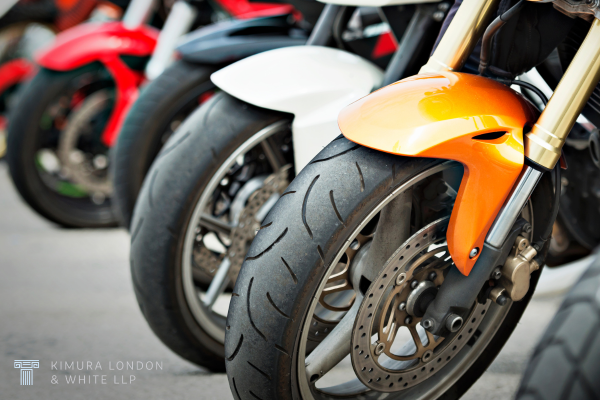
You've probably heard both words thrown around, maybe even used them yourself interchangeably. Motorbike vs. Motorcycle. Is there a real difference, or is it just people saying the same thing in a different way? It's a question that trips up new riders and even seasoned veterans.
It feels like there should be a definitive answer, but it's not that simple. The truth is, the line between these two words is blurry. Let's get to the bottom of the Motorbike vs. Motorcycle debate once and for all.
Table of Contents:
- A Tale of Two Words: Where They Came From
- Is There a Technical Difference? What Experts Say
- The Cultural Clash in Motorbike vs. Motorcycle
- What About the Law? Legal Definitions are Clear
- How Does the Industry Talk?
- So, What Should You Say?
- Conclusion
A Tale of Two Words: Where They Came From
Words have a funny way of evolving, and this is a perfect example. Both terms refer to a two-wheeled vehicle powered by an engine. But their history and where they are used tells a big part of the story.
The term motorcycle appeared first. It's the more formal and original name for the machine. According to historians, it popped up in the late 1800s as these new contraptions with an internal combustion engine were being invented.
Motorbike is a more modern, casual shorthand that gained popularity later. Think of it like a nickname that stuck, similar to how people might say motor bikes in casual conversation. Its usage is heavily influenced by where you are in the world, showing how the English language adapts.
A Transatlantic Divide
If you're in the United States, you almost always hear motorcycle. It's the standard term used by everyone from manufacturers to the local DMV. Saying motorbike might get you a few odd looks or instantly mark you as a tourist.
But hop across the pond to the United Kingdom, and it's a different story. Motorbike is common and used for all sorts of two-wheeled machines. You'll hear it in everyday conversation from London to Manchester, with no one batting an eye.
This regional difference is a big reason why there's so much confusion. An American and a Brit could be talking about the exact same Honda and using completely different words for it. Understanding the country's lingo is useful for motorcycle enthusiasts who travel.
Is There a Technical Difference? What Experts Say
Beyond language, some riders argue there is a technical distinction. This isn't an official rule you'll find in a manual. It's more of a guideline some parts of the riding community follow.
This informal separation usually comes down to size, power, and what the bike is used for. The debate is less about strict engineering and more about perception. It's about how a bike feels and what purpose it serves in our daily lives.
Size and Power as a Dividing Line
Many riders believe that motorbike refers to smaller, less powerful machines. These are bikes with a smaller engine size, maybe a 250cc engine or less. Think of something lightweight you would use to zip around a city like Bangkok or Chiang Mai.
This category would include things like scooters, mopeds, and any smaller motorcycle. They are practical, offer great fuel efficiency, and are not built for roaring down the interstate at high speeds. Their primary job is to be simple, accessible transportation, especially for novice riders.
On the other hand, motorcycle is often reserved for bigger, heavier, and more powerful machines. These are the cruisers, sport touring bikes, and adventure bikes built to achieve higher speeds and cover long distances. This is the hardware that comes to mind when you think of cross-country road trips on a Harley-Davidson or Honda Goldwing, with their larger engines providing higher power.
Design Features and Engineering
Modern motorcycles are incredibly diverse, with specific design features for different purposes. A large touring motorcycle might have a sophisticated rear suspension system for comfort over hundreds of miles. In contrast, a small motorbike built for urban commuting will have a simpler, more rugged setup.
These distinctions are made for a good reason. For example, a sport bike has aerodynamic fairings to reduce drag at higher speeds, a feature absent on a typical urban motorbike. While both motorcycles share the basic principle of a two-wheeled vehicle with an engine, their engineering paths diverge significantly based on their intended use.
The Usage Factor: Commuting vs. Recreation
Another popular idea centers on how you use the vehicle. A motorbike is often seen as a tool for commuting. It's a practical choice to beat traffic and save on gas.
The rider's goal is simple: getting from one place to another efficiently. The bike itself is a means to an end. It's chosen for function over form.
A motorcycle carries the weight of a lifestyle. It's for recreation, adventure, and the community that comes with it. Motorcycle riding is the experience, not just the transportation.
The Cultural Clash in Motorbike vs. Motorcycle
The words themselves paint very different pictures in our minds. This cultural baggage is maybe the biggest difference of all. It shapes how we see the rider and the machine.
For many in America, the term motorcycle is loaded with over a century of cultural imagery. It brings to mind freedom, rebellion, and the wide-open road. You think of leather-clad riders on big American-made V-twins like a Harley-Davidson.
It's an image carefully crafted by movies and media for decades. The term has a weight and a certain rebellious spirit attached to it. It's not just a vehicle; it's an identity for many motorcycle enthusiasts.
The word motorbike just feels different. It sounds lighter, more playful, and less intimidating. It might make you picture someone on a Vespa in Rome or a delivery driver navigating the busy streets of an Asian city.
In places across Thailand, the motorbike is a way of life for everyone, from students to business professionals.
| Characteristic | Commonly "Motorbike" | Commonly "Motorcycle" |
|---|---|---|
|
Primary Region |
United Kingdom, Australia, Asia |
United States, Canada |
|
Perceived Size |
Smaller, lighter |
Larger, heavier |
|
Engine Power |
Lower displacement (e.g., a 150cc motorcycle) |
Higher displacement (e.g., 650cc and up) |
|
Main Use |
Commuting, utility |
Recreation, sport, touring |
|
Cultural Feel |
Practical, approachable |
Lifestyle, rebellious, free |
What About the Law? Legal Definitions are Clear
Here's where the blurry lines get sharp. Regarding the law, there is no debate. Government and legal bodies need clear, firm definitions.
In the United States, the official term is motorcycle. That's what you will find in legal codes and on all your official paperwork. It is the only term that matters for registration, getting a motorcycle license, and insurance purposes.
The National Highway Traffic Safety Administration (NHTSA) uses motorcycle to classify these vehicles. State agencies like the California Department of Motor Vehicles follow this standard. They define a motorcycle based on specific criteria like having a seat for the rider and being designed to travel on not more than three wheels.
Legally speaking, a tiny 50cc scooter and a massive 2,000cc touring bike are both considered motorcycles. They both must meet the same basic registration, insurance, and licensing requirements. The law makes no distinction based on size, power, or cultural perception, which is why having proper health insurance and car insurance (motorcycle policy) is critical for all riders.
If you're involved in a motorcycle accident in California, whether you were on a scooter or a high-powered touring bike, your legal rights are the same. The team at KLW has extensive experience representing riders in personal injury claims and helping them recover the compensation they deserve. Contact us today at 949-474-0940 for a free consultation.
This legal clarity also extends to safety. Regulations for proper safety are applied to all motorcycles, regardless of their size. Every rider is required to follow the same rules of the road and is encouraged to wear proper safety gear.
How Does the Industry Talk?
So what do the companies that build these machines call them? Looking at the manufacturers gives us another big clue. It shows us how they want their products to be seen.
Overwhelmingly, especially in the North American market, they use motorcycle. Go to the websites for Honda, Harley-Davidson, Ducati, or Yamaha. You will see motorcycle used across their entire product lines, from the smallest entry-level bikes to the largest touring models.
They might market different "types" of motorcycles, such as cruisers, sport bikes, or adventure bikes. But the umbrella term remains the same. This also applies to the parts industry, where both aftermarket and OEM parts are cataloged under the term motorcycle.
This marketing consistency has cemented motorcycle as the standard industry term in the U.S. Companies use targeted ads to reach specific rider demographics, but the language stays uniform. Whether it's a business insurance policy for a delivery fleet or a personal ad for a sport bike, the machine is called a motorcycle.
And when accidents happen, insurers often use that same language to minimize payouts. Having an experienced team like Kimura London & White LLP on your side can make the difference between a denied claim and a full recovery. Learn how we fight back against insurance tactics and protect riders' rights.
So, What Should You Say?
Now we get to the real question. What word should you use in conversation? The answer depends on who you're talking to and where you are.
If you're in the United States, using motorcycle is your best bet. It's universally understood and it's the technically correct term here. It avoids any confusion and makes it clear what you're talking about.
But what if you prefer motorbike? That's fine too. Most people will know exactly what you mean, even if it's not the word they would choose.
At the end of the day, the riding community is pretty welcoming. Most riders don't care what you call your two-wheeled passion. They are much more interested in what you ride and your shared love for the road.
Conclusion
The motorbike vs. motorcycle question doesn't have a single, simple answer. The difference is more about history, geography, and culture than it is about pistons and gears. While the term motorbike is popular in places like the UK and Asia, the term motorcycle is the dominant and official term in the United States.
Some people create an informal distinction based on engine size or use, with motorbikes being smaller and more utilitarian. However, from a legal and industry standpoint here, everything is a motorcycle. Whether it's a small scooter or a giant cruiser, they all fall under the same classification.
Language is flexible, and what really matters is the feeling of freedom you get on two wheels. The argument of motorbike vs. motorcycle fades away once the engine starts and you hit the open road. Ultimately, the shared passion connects riders everywhere, no matter what they call their machine.
If that freedom is every interrupted by an accident, unsafe road conditions, or another driver's negligence, Kimura London & White LLP is here to help you get back on the road and get the justice you deserve. Schedule a free consultation today to discuss your options with an experience California motorcycle injury attorney.

Comments
There are no comments for this post. Be the first and Add your Comment below.
Leave a Comment