
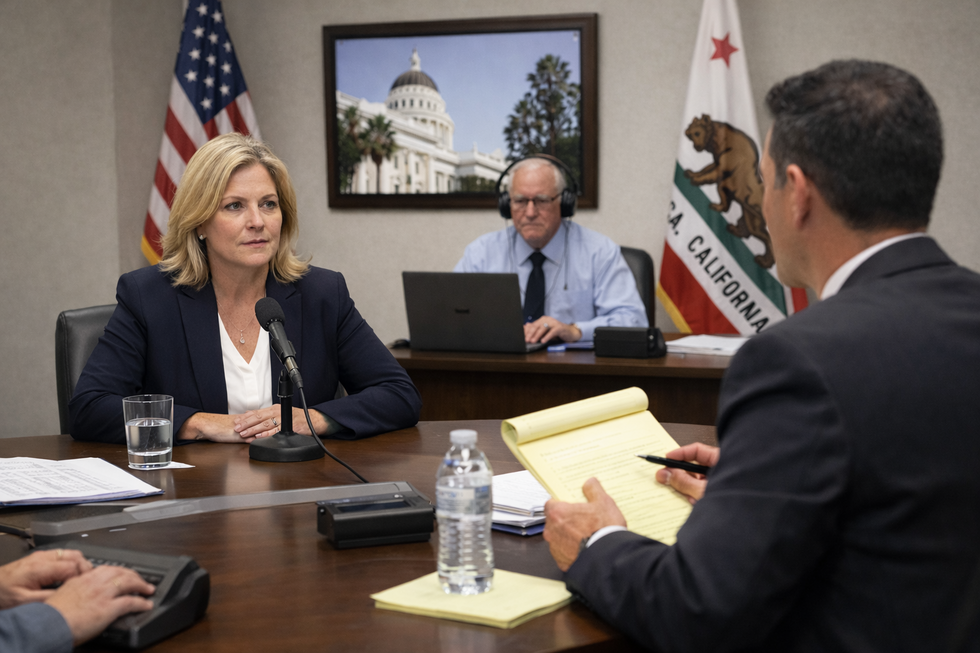
A deposition is sworn testimony given outside the courtroom, under oath, before trial. It typically takes place in a conference room, often at a law firm or court reporter's office, where a court reporter administers the oath and records every word. In California civil litigation, depositions exist to allow each side to question witnesses, gather information, and preserve testimony before the case ever reaches a jury.
However, that clinical definition misses the point. A deposition isn't just a formality. It's a strategic weapon that can lock in testimony, expose weaknesses, create admissions, and shift the entire trajectory of a case. For parties involved in business disputes, contract litigation, or partnership breakdowns, understanding what happens in that room and why it matters can mean the difference between a favorable settlement and a costly trial.
The Real Purpose of a Deposition (Beyond "Finding Facts")
Depositions serve multiple functions that go far beyond fact-gathering. While discovery is part of the equation, experienced trial lawyers utilize depositions to achieve specific litigation objectives that shape the course of a case.
Locking in testimony is perhaps the most critical function. Once a witness answers a question under oath, that testimony is preserved. If the witness changes their story later, at trial or in a declaration, the deposition transcript becomes a powerful tool for impeachment. Witnesses can't simply walk back damaging admissions without consequence.
Evaluating credibility happens in real time. How a witness responds under pressure, whether they hesitate, how they handle follow-up questions, all of this tells a trial lawyer whether this person will hold up in front of a jury. A confident, consistent witness strengthens a case. A defensive, evasive one creates risk.
Creating admissions is a tactical art. Skilled questioning can lead a witness to agree with facts that support the opposing party's theory of the case. These admissions often become the foundation for summary judgment motions or settlement negotiations. A single concession about a timeline, a conversation, or a decision can unravel an entire defense.
Exposing inconsistencies is equally valuable. When a witness's deposition testimony conflicts with emails, financial records, or prior statements, those contradictions become exhibit material. Juries notice inconsistencies. So do mediators and opposing counsel evaluating settlement value.
Building leverage before trial is the ultimate payoff. A strong deposition can lead to a quick settlement. A weak one can embolden the other side. Either way, what happens during those hours of questioning often determines whether a case settles on favorable terms or proceeds to a jury.
Depositions in Business Litigation
Business disputes elevate the stakes. Unlike personal injury cases or simple contract claims, corporate litigation often involves complex financial transactions, fiduciary duties, partnership obligations, and operational decisions that require detailed testimony from multiple witnesses.
Executive and officer depositions are high-stakes events. When a CEO, CFO, or managing director sits for a deposition, opposing counsel will probe decision-making processes, financial oversight, communications with investors or partners, and knowledge of key transactions. These witnesses are expected to explain not just what happened, but why decisions were made and who had authority to act.
Person Most Knowledgeable (PMK) depositions are unique to corporate litigation. Under California Code of Civil Procedure Section 2025.230, a party can notice a business entity to produce a witness who can testify on specific topics: financial performance, internal policies, employment practices, contract negotiations. The entity must designate someone who can speak authoritatively on those subjects. This type of deposition often becomes the linchpin of business litigation because it binds the company to sworn positions on critical issues.
Partner, shareholder, and vendor testimony frequently comes into play in disputes involving breach of fiduciary duty, partnership dissolutions, or supply chain disagreements. These witnesses may not be parties to the lawsuit, but their testimony about business relationships, financial arrangements, or operational conduct can be decisive.
Financial and operational questioning dominate business depositions. Opposing counsel will ask about revenue projections, expense tracking, capital contributions, profit distributions, and compliance with contractual obligations. In cases involving fraud, misrepresentation, or breach of contract, financial testimony often determines liability and damages.
How Deposition Testimony Is Used Later
Deposition transcripts don't sit in a file. They become trial exhibits, motion evidence, and settlement tools that shape the outcome of a case.
Summary judgment motions rely heavily on deposition testimony. When a party argues that no disputed material facts exist, the court reviews deposition excerpts to determine whether the case should proceed to trial. A clear admission during a deposition can eliminate the need for a jury trial.
Impeachment at trial is a core function. If a witness testifies differently at trial than they did during their deposition, the opposing lawyer will stand up with the transcript and read the prior inconsistent statement to the jury. Few things undermine credibility faster than being caught in a contradiction under oath.
Video depositions are particularly effective when played to a jury because jurors see the witness's demeanor, hesitations, and body language in real time.
Settlement leverage often hinges on deposition performance. A witness who admits key facts or falters under questioning signals weakness. Conversely, a strong, consistent deposition can lead opposing counsel to reassess their case value and pursue a settlement rather than risk a trial.
What Actually Happens in the Room
Understanding the mechanics of a deposition greatly reduces anxiety and improves performance. The setting is typically a conference room as opposed to a courtroom, but the testimony is just as binding.
Those present include the witness, attorneys for all parties, and a certified court reporter who administers the oath and records the testimony. In some cases, a videographer is present to record the deposition on camera.
How questioning flows follows a structured format. The attorney who notices the deposition asks questions first, often for several hours. Other parties' attorneys may then ask follow-up questions. The witness's own attorney typically asks few or no questions during the deposition itself.
Role of objections is limited during depositions. Unlike a trial, where objections can prevent a jury from hearing certain testimony, deposition objections are usually noted for the record, and the witness still answers. The objection preserves the issue for trial, but it doesn't stop the questioning.
Breaks and off-the-record discussions are allowed, but they come with strategic considerations. A witness can request a break, though opposing counsel may object if the break appears designed to coach the witness during a difficult line of questioning.
Common Mistakes Witnesses Make
Even truthful, well-prepared witnesses can undermine their own credibility through common tactical errors.
Over-explaining is a frequent mistake. Witnesses feel compelled to justify their answers or provide context that wasn't requested. The more a witness talks, the more material they give opposing counsel to work with. The best answers are complete but concise.
Guessing or speculating creates unnecessary problems. If a witness doesn't know the answer or doesn't remember, the correct response is to say so. Opposing counsel will use speculative answers to create doubt about everything else the witness says.
Volunteering information beyond what the question asks invites additional lines of questioning. Each answer should respond to the question posed, and nothing more.
Reacting emotionally, whether through anger, defensiveness, or visible frustration, damages credibility. Depositions can be stressful, but emotional reactions suggest the witness has something to hide or lacks control under pressure.
Failing to understand the question is more common than witnesses realize. If a question is unclear, compound, or assumes facts not in evidence, the witness should ask for clarification rather than guess at what the attorney wants to know.
When You Can Refuse to Answer
Not every question requires an answer. California law recognizes specific grounds for refusing to respond during a deposition.
Privilege protections, including attorney-client privilege, work product doctrine, and spousal privilege, allow a witness to decline answering certain questions. When privilege applies, the attorney will instruct the witness not to answer, and the objection is preserved for potential court review.
Court-ordered limitations sometimes restrict the scope of permissible questioning. If a protective order is in place or if prior court rulings have excluded certain topics from discovery, those boundaries apply during depositions.
Improper questions that are harassing, irrelevant, or seek information protected by privacy rights can be challenged. While the witness typically still answers subject to objection, some questions cross the line into improper territory that justifies refusal.
What Happens After the Deposition
The deposition doesn't end when the witness leaves the room. Several post-deposition procedures can affect how the testimony is used.
Transcript preparation by the court reporter typically takes one to two weeks. The transcript is then provided to all parties and made available for the witness to review.
Errata sheets allow witnesses to correct errors in the transcript. These are limited to mistakes in transcription, not opportunities to change substantive answers. Any changes are noted, and both the original answer and the correction appear in the record.
Impact on next litigation steps can be significant. A strong deposition may lead to settlement discussions. A weak one might prompt the opposing party to file for summary judgment. Either way, the deposition often serves as an inflection point that determines the case's direction.
Can a Case Go to Trial Without Depositions?
Yes, but it involves substantial risk. While California law doesn't require depositions in every case, proceeding to trial without taking depositions of key witnesses is rare in complex litigation.
Depositions often determine trial posture by revealing the strength of each side's case. Without this preview, parties enter trial blind to how witnesses will perform, what admissions might surface, and where vulnerabilities exist.
Strategic exceptions typically involve cases with minimal factual disputes, situations where written discovery provides sufficient information, or matters proceeding on an expedited timeline. Even in these scenarios, experienced trial counsel typically prefer the certainty that depositions provide.
Why Depositions Matter More in High-Stakes Cases
The higher the stakes, the more critical deposition testimony becomes.
Business risk extends beyond the immediate lawsuit. A damaging admission during a deposition can affect ongoing contracts, vendor relationships, and investor confidence. The testimony becomes part of the public record in many cases, creating reputational exposure that outlasts the litigation itself.
Financial consequences multiply when deposition testimony creates a clear record of liability. Weak testimony can transform a defensible case into an indefensible one, dramatically increasing settlement pressure and potential damages.
Jury perception, if the case proceeds to trial, is often shaped by deposition excerpts read in court or played on video. How a witness performed months earlier during the deposition directly influences how the jury views their credibility and the merits of the case moving forward.
When to Speak With a Trial Lawyer
Certain situations warrant immediate consultation with experienced litigation counsel. Contact our firm by calling 949-474-0940 or by completing a confidential contact form.
Being noticed for a deposition requires preparation. Understanding what to expect, how to answer questions effectively, and what rights you have during the deposition process can significantly impact the outcome.
Being asked to sit as a corporate representative carries heightened responsibility. PMK designees speak for the entity, and their testimony binds the company. Preparation for these depositions requires coordination between counsel and the witness to ensure accurate, consistent testimony on designated topics.
Facing testimony that could impact a business dispute, whether as a party, officer, or third-party witness, justifies legal consultation. Even witnesses who believe they have nothing to hide benefit from understanding how their testimony might be used and what pitfalls to avoid.
Depositions in California civil litigation are far more than question-and-answer sessions. They are strategic instruments that capture testimony, create admissions, test credibility, and build the foundation for everything that follows. For businesses and individuals involved in complex disputes, understanding the mechanics, purpose, and consequences of deposition testimony isn't optional. It's essential to protect interests, preserve credibility, and achieve favorable outcomes in high-stakes litigation.
This article is provided for informational purposes only and is not intended as legal advice. For advice tailored to your specific situation, consult with qualified legal professionals at Kimura London & White LLP.

Comments
There are no comments for this post. Be the first and Add your Comment below.
Leave a Comment